Mastering manual 2WD engagement is crucial for optimizing fuel efficiency and extending drivetrain life, offering drivers valuable control and preparedness on any terrain.
Understanding the Need for Manual Shifting
Knowing how to manually shift into 2WD is vital when encountering issues with automatic systems or vacuum actuators, ensuring continued mobility. This skill allows for optimized fuel consumption by disengaging unnecessary drivetrain components. Furthermore, manual control safeguards against potential damage from prolonged 4WD use on dry pavement, extending the lifespan of crucial parts like manual locking hubs and the transfer case itself.
Benefits of Knowing Manual 2WD Engagement
Proficiency in manual 2WD engagement provides a crucial backup when electronic or vacuum systems fail, preventing being stranded. It directly improves fuel economy by reducing drivetrain drag when 4WD isn’t needed. Understanding this process also minimizes wear and tear, prolonging the life of the transfer case and avoiding damage from improper operation on hard surfaces.
Identifying Your Transfer Case Type
Determining if you have a Borg Warner part-time or full-time 4WD unit is essential before attempting manual shifting into 2WD for proper operation.
Borg Warner Transfer Cases: Common Models
Borg Warner transfer cases, like the BW1354 with its 1:1 and 2.48:1 ratios, are frequently found in vehicles requiring manual shift capabilities. Identifying your specific model—whether part-time 2WD/4WD or full-time—is paramount before attempting a shift to 2WD. Knowing the unit allows for correct lever positioning and ensures smooth, damage-free engagement, optimizing both fuel economy and drivetrain longevity.
Part-Time vs. Full-Time 4WD Units
Distinguishing between part-time and full-time 4WD units is vital before shifting to 2WD. Part-time systems, designed for on/off-road use, require manual disengagement. Full-time units, offering constant 4WD, may have different override procedures. Understanding your system ensures correct operation, preventing drivetrain stress and maximizing fuel efficiency when operating solely in two-wheel drive mode.
Locating the Manual Shift Lever
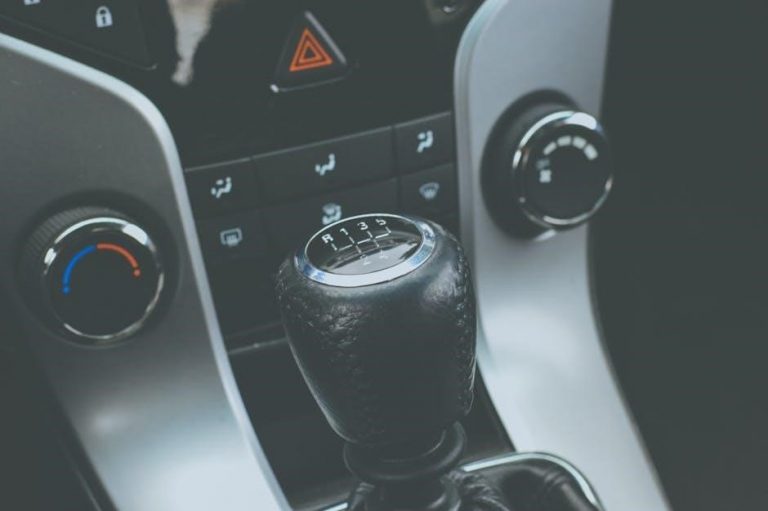
The manual shift lever, typically floor-mounted, controls the transfer case. It allows selection between 2WD, 4WD High, and 4WD Low. Familiarize yourself with its position and range of motion. In some cases, it’s the same lever used for 2WD/4WD selection. Correct identification is the first step towards successful manual 2WD engagement and operation.

Tools and Safety Precautions
Essential tools include a flashlight for inspection, while safety necessitates a stable, level surface and awareness of surroundings before attempting any shifting procedures.
Essential Tools for Inspection
Before engaging or disengaging 2WD, a thorough inspection is vital. A bright flashlight illuminates potential obstructions around the shift lever and transfer case. Penetrating oil can assist with stiff linkages. Gloves protect hands, and wheel chocks ensure vehicle stability. A Factory Service Manual provides diagrams and torque specifications, crucial for proper operation and avoiding damage during any necessary disassembly or modification.
Safety Gear and Considerations
Prioritize safety! Always wear safety glasses to protect against debris. Ensure the vehicle is on a level surface and securely parked with the parking brake engaged. Avoid shifting on inclines. Never operate with manual locking hubs engaged on paved surfaces – this can cause drivetrain binding and potential damage. Consult the service manual for specific warnings.

Pre-Shift Inspection
Before shifting, check for obstructions around the transfer case and verify vehicle stability; a secure, level position is vital for a smooth, safe engagement.
Checking for Obstructions
Prior to attempting a manual shift into 2WD, a thorough inspection for any obstructions around the transfer case is paramount. Look for rocks, debris, or anything that could impede the shift lever’s movement. Ensure no hoses or linkages are tangled or damaged, potentially hindering proper operation. Clear any obstacles to guarantee a smooth and successful engagement, preventing potential damage to the transfer case components during the shifting process.
Verifying Vehicle Stability
Before engaging 2WD manually, confirm the vehicle is on a level surface and completely stable. Avoid shifting while on inclines or uneven terrain, as this could cause unintended movement. Ensure the parking brake is firmly engaged to prevent rolling during the shifting process. Stability is key to a safe and controlled transition, minimizing risk and ensuring proper transfer case operation.

Step-by-Step Guide to Manual 2WD Engagement
Locate the 2WD position on the shift lever, firmly engage it, and confirm successful shifting by feeling for positive engagement and listening for any unusual sounds.
Locating the 2WD Position on the Shift Lever
Identifying the 2WD position typically involves a clearly marked spot on the transfer case shift lever, often labeled “2H” or simply “2WD”. Familiarize yourself with your vehicle’s specific lever markings, consulting the factory service manual if needed. The position allows for standard rear-wheel or front-wheel drive, optimizing fuel economy and reducing drivetrain stress when four-wheel drive isn’t required. Ensure the lever moves freely to this position before attempting engagement.
Engaging the 2WD Position
To engage 2WD, firmly but gently move the transfer case shift lever into the designated 2WD position, ensuring it clicks or seats fully. Avoid forcing the lever; resistance suggests an obstruction. After shifting, verify successful engagement by observing the 4WD indicator light (if equipped) is off. Proper engagement minimizes drivetrain strain and maximizes fuel efficiency for normal driving conditions.
Confirming Successful Shift
After shifting into 2WD, confirm the engagement by checking for any unusual noises or vibrations while driving at a low speed. If equipped, verify the 4WD indicator light is extinguished. A smooth, quiet operation indicates a successful shift. Regularly confirming proper engagement ensures optimal drivetrain performance and prevents potential damage from unintended 4WD operation;
Troubleshooting Common Issues
Difficulty shifting, unusual noises, or binding may indicate internal problems; consult a service manual or professional for diagnosis and repair assistance promptly.
Difficulty Shifting into 2WD
If encountering resistance when shifting to 2WD, ensure the vehicle is fully stopped and on level ground. Verify no obstructions hinder the lever’s movement. A worn shift linkage or internal transfer case issues could be the cause. Check for proper fluid levels and consider a professional inspection if problems persist, potentially referencing TSB No. TS 3-27 for binding concerns.
Unusual Noises During Shifting
Grinding or clicking sounds while shifting into 2WD may indicate worn gears or a lack of proper lubrication within the transfer case. Avoid forcing the shift lever; investigate immediately. Internal damage could occur. Ensure manual locking hubs aren’t engaged on hard surfaces, as this can exacerbate noise and potential drivetrain stress.
Transfer Case Binding Issues (TSB No. TS 3-27)
TSB No. TS 3-27 addresses transfer case binding, potentially hindering 2WD engagement. This often stems from internal component restrictions. If encountering resistance, do not force the shift lever. Consult the Factory Service Manual and consider professional diagnosis to prevent further damage and ensure proper operation.
Maintaining Your Transfer Case
Regular inspection and fluid checks are vital for smooth 2WD engagement, preventing issues and ensuring the longevity of your transfer case components.
Regular Inspection Schedule
Establish a routine to inspect the transfer case monthly for leaks, damage, and proper shift linkage function, especially after off-road use. Confirm smooth manual 2WD engagement during each check. Address any stiffness or unusual noises immediately. Consistent monitoring prevents minor issues from escalating into costly repairs, ensuring reliable drivetrain performance and maintaining optimal 2WD operation;
Lubrication and Fluid Checks
Regularly check transfer case fluid levels and condition; low or contaminated fluid hinders smooth manual 2WD shifts. Follow the factory service manual’s recommendations for fluid type and change intervals. Proper lubrication minimizes internal friction, preventing binding and ensuring effortless engagement. Maintaining optimal fluid levels is vital for reliable 2WD operation and overall transfer case health.

Understanding Transfer Case Components
Manual locking hubs and gear ratios directly impact 2WD engagement; understanding their function ensures proper shifting and maximizes drivetrain efficiency for optimal performance.
Manual Locking Hubs and Their Impact
Manual locking hubs disconnect the front axle, allowing for true 2WD operation and reducing drivetrain wear when four-wheel drive isn’t needed. Avoiding engagement on dry pavement prevents binding and damage. Properly functioning hubs are essential for smooth shifting into 2WD, ensuring optimal fuel economy and component longevity. Disengaging them before shifting is a best practice.
Low Range Gears and Their Function
While not directly related to 2WD engagement, understanding low range gears clarifies the transfer case’s overall role. These gears provide increased torque for challenging terrain, but aren’t needed for standard road driving. Selecting 2WD disengages low range, optimizing fuel consumption and reducing stress on drivetrain components during normal operation.

Conversion Kits for Vacuum Actuator Systems
Manual shift conversion kits replace vacuum systems, offering reliable 2WD/4WD control; disassembly and modification of the transfer case are typically required for installation.
2WD-4WD T-Case Manual Shift Conversion Kits
These kits are designed for transfer cases originally equipped with vacuum actuators, providing a robust mechanical shift solution. Installation necessitates a complete transfer case disassembly, referencing the Factory Service Manual is essential. Drilling and tapping the transfer case housing are common requirements for mounting the new manual shift mechanism, ensuring precise 2WD and 4WD engagement. These conversions eliminate vacuum line issues and offer dependable control.
Disassembly and Modification Requirements
Complete transfer case disassembly is mandatory for installing a manual shift conversion, demanding meticulous attention to detail. Expect to drill and tap the case for the new shift mechanism, utilizing precise measurements. Careful attention to seals – like part 24262936 – is vital during reassembly to prevent leaks. The Factory Service Manual provides critical guidance throughout this complex process.

Specific Model Year Considerations (1987-1988)
For 1987-1988 models with 5-speed, 6-cylinder engines (XJ, MJ), understanding transfer case operation is key for proper 2WD engagement and maintenance.
5-Speed, 6-Cylinder Engine Models
Vehicles equipped with a 5-speed transmission and a 6-cylinder engine, particularly the 1987-1988 XJ and MJ series, require careful attention to transfer case operation. Ensuring proper engagement into 2WD is vital for fuel economy and component longevity. Familiarize yourself with the manual shift lever’s positioning and confirm successful shifts to avoid drivetrain stress and potential damage, especially when encountering varied road conditions.
2WD XJ and MJ Models
For 2WD XJ and MJ models, understanding manual transfer case operation is key to unlocking optimal performance and preventing unnecessary wear. Regularly inspecting and correctly engaging 2WD mode maximizes fuel efficiency and safeguards drivetrain components. Proper shifting techniques, avoiding hard surface 4WD use, are crucial for these vehicle configurations.
Transfer Case Seals and Clamps
Maintaining proper sealing, utilizing clamps like 24261851, is vital during transfer case work, ensuring reliable operation and preventing fluid leaks post-shift.
Importance of Proper Sealing
Effective transfer case sealing is paramount after any disassembly, especially during manual shift conversions or repairs related to 2WD engagement. Compromised seals lead to lubricant leakage, potentially damaging internal components and hindering proper function. Maintaining a tight seal prevents contamination from external elements like dirt and moisture, ensuring smooth shifting and prolonged drivetrain health. Utilizing the correct seal and clamp specifications, such as 24262936, is crucial for a reliable, leak-free operation.
Clamp Specifications (e.g., 24261851)
When addressing transfer case issues impacting 2WD engagement, utilizing the correct clamps is vital. For instance, clamp 24261851 secures the transfer case output pump suction hose, preventing leaks that could affect system pressure. Proper clamp installation ensures a secure connection, maintaining optimal fluid flow and contributing to reliable shifting performance, especially after manual conversions.
Electric Shift Transfer Cases
Electric shift systems often include manual override procedures for 2WD engagement, providing a crucial backup when electronic controls experience malfunctions or failures.
Overview of Electric Shift Systems
Electric shift transfer cases utilize a motor and sensors to engage 2WD or 4WD, offering convenience but potentially leaving drivers stranded with failures. Many systems incorporate a manual override, often involving a shift lever or specific procedure detailed in the factory service manual. This allows for direct mechanical engagement, bypassing the electronic components to regain control and shift into 2WD when necessary, ensuring continued mobility.
Manual Override Procedures
When electric shift fails, locate the manual override—often a shift lever near the transfer case—and consult your vehicle’s factory service manual for specific instructions. Typically, this involves shifting directly into the 2WD position, bypassing the electronic controls. Confirm successful engagement; unusual noises indicate a problem. Prioritize safety and consult a professional if difficulties persist.

Fuel Efficiency and Drivetrain Longevity
Utilizing 2WD when appropriate significantly boosts fuel economy and minimizes unnecessary wear on drivetrain components, extending their operational lifespan considerably.
Optimizing Fuel Consumption in 2WD
Engaging 2WD manually, when four-wheel drive isn’t needed, dramatically reduces rolling resistance and eliminates the power loss associated with driving all four wheels. This simple shift optimizes fuel consumption, particularly on dry pavement, leading to significant savings over time. Regularly utilizing 2WD extends driving range and minimizes environmental impact, contributing to a more efficient and economical driving experience.
Prolonging Drivetrain Component Life
Consistent operation in 2WD, when appropriate, significantly reduces stress on the entire drivetrain. Avoiding unnecessary 4WD use minimizes wear and tear on axles, differentials, and the transfer case itself. This proactive approach extends the lifespan of these crucial components, delaying costly repairs and ensuring reliable performance for years to come, ultimately saving money.
Avoiding Damage to the Drivetrain
Proper engagement techniques and avoiding 4WD on dry pavement are vital to prevent drivetrain damage and ensure smooth, reliable operation of your vehicle.
Proper Engagement Techniques
To ensure a smooth transition to 2WD, fully depress the clutch (if manual transmission) and shift deliberately into the 2WD position, avoiding forceful movements. Confirm successful engagement by observing the indicator light or feeling for a positive lock. Never shift while accelerating or under heavy load, as this can cause damage to the transfer case components and potentially lead to costly repairs.
Avoiding Hard Surface Operation in 4WD
Operating in 4WD on dry pavement induces drivetrain binding and stress, accelerating wear on components like tires and the transfer case itself. Regularly shifting to 2WD for normal road conditions maximizes fuel economy and minimizes unnecessary strain. Manual locking hubs, if equipped, should also be disengaged when 4WD isn’t needed.
Resources and Further Information
Consult factory service manuals and online forums for detailed diagrams, troubleshooting, and model-specific guidance on manual transfer case operation and repair.
Factory Service Manuals
Accessing your vehicle’s factory service manual is paramount for understanding the intricacies of your specific transfer case. These manuals provide detailed diagrams, step-by-step instructions for shifting procedures, and crucial torque specifications. They also outline diagnostic steps for common issues like binding or difficult engagement, ensuring safe and effective manual operation of the 2WD system, and proper disassembly/modification requirements.
Online Forums and Communities
Engaging with online forums and communities dedicated to your vehicle model offers a wealth of practical knowledge. Experienced owners frequently share troubleshooting tips for shifting into 2WD, discuss common transfer case issues (like TSB No. TS 3-27 binding), and provide guidance on conversion kits. These platforms are invaluable for real-world insights and support.
Successfully manually shifting your transfer case into 2WD empowers you with control and preparedness. Understanding your specific transfer case type – Borg Warner or electric shift – is key. Regular inspection, proper engagement techniques, and utilizing available resources ensure optimal drivetrain longevity and fuel efficiency for years to come.