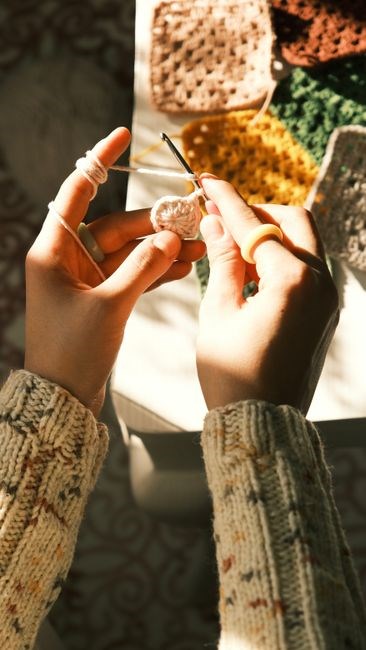
Discover how free PDF printable crochet patterns unlock endless creativity. From chunky striped blankets to simple dishcloths, these downloadable designs let you experiment with basic stitches and modern textures. Print, scale, and stitch—your next cozy project is just a click away.
What Are Free PDF Printable Crochet Patterns?
Free PDF printable crochet patterns are downloadable files that provide stitch instructions, charts, and measurements in a portable format. They allow crafters to print the design at home, adjust the size, and follow step‑by‑step guidance without needing a physical book. Most patterns are offered in PDF for compatibility with printers, tablets, and smartphones, making them accessible to beginners and seasoned crocheters alike.
These patterns cover a wide range of projects—from cozy blankets and dishcloths to hats and baby swaddles—often featuring simple stitch combinations such as single crochet, double crochet, and basic repeats. Many creators share their designs for free, sometimes as part of a newsletter subscription or a community exchange, while others provide them as a preview before selling a full‑price version.
Because PDFs preserve formatting, stitch counts, and color codes, users can easily scale the pattern to fit different yarn weights or personal size preferences. The digital format also supports annotations, allowing crocheters to mark progress or add personal tweaks directly on the printed sheet. This flexibility, combined with the low cost (often zero), makes free PDF patterns a popular resource for hobbyists seeking new projects or learning new techniques.
Benefits of Using PDF Formats
PDF files are the gold standard for sharing crochet patterns because they preserve layout, stitch charts, and color codes across devices. A single PDF can be printed on any printer, viewed on a tablet, or opened on a laptop without losing formatting, ensuring that the pattern’s spacing and measurements remain accurate no matter the screen size. This consistency eliminates the frustration of misaligned charts that can occur in word processors or image files. The ability to scale patterns is a major advantage; by adjusting print settings, crafters can enlarge or shrink the entire design to match yarn weight or personal size. Many free PDFs include a “scale” option or a printable chart that can be resized, allowing users to practice on a small sample before committing to a full project. This flexibility also supports accessibility, enabling users with visual impairments to zoom in on stitch details or use screen‑reader software that can interpret PDF text. PDFs are lightweight and universally compatible, making them ideal for sharing on forums, social media, or email. They can be compressed into a single file, reducing download time and storage space. Because PDFs are read‑only by default, designers can protect their work from accidental edits while still allowing users to print and modify the pattern as needed. This combination of portability, scalability, and security has made free PDF printable crochet patterns a staple in the crafting community.
Common Types of Free Crochet Patterns
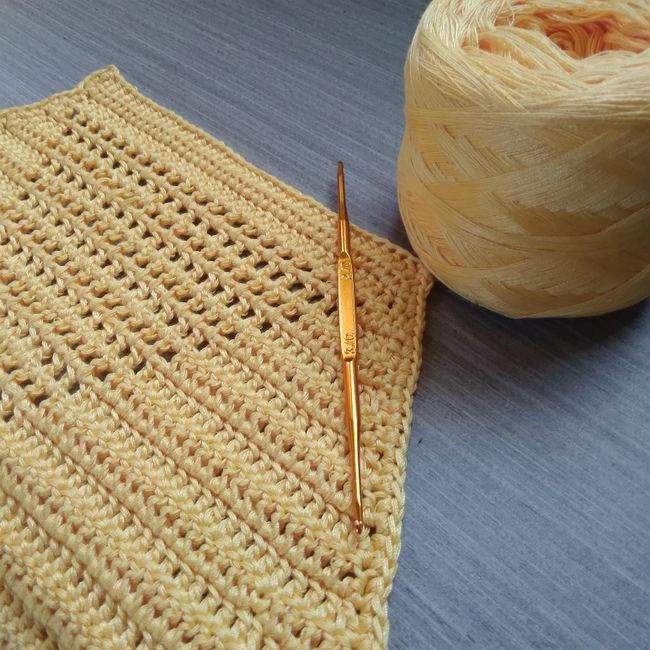
Blankets, dishcloths, hats, and scarves dominate free PDF collections. These designs feature simple stitch repeats and easy charts. Crafters can mix yarn weights, experiment with textures, and personalize each piece with minimal effort. Enjoy crafting!!!
Blankets and Throws
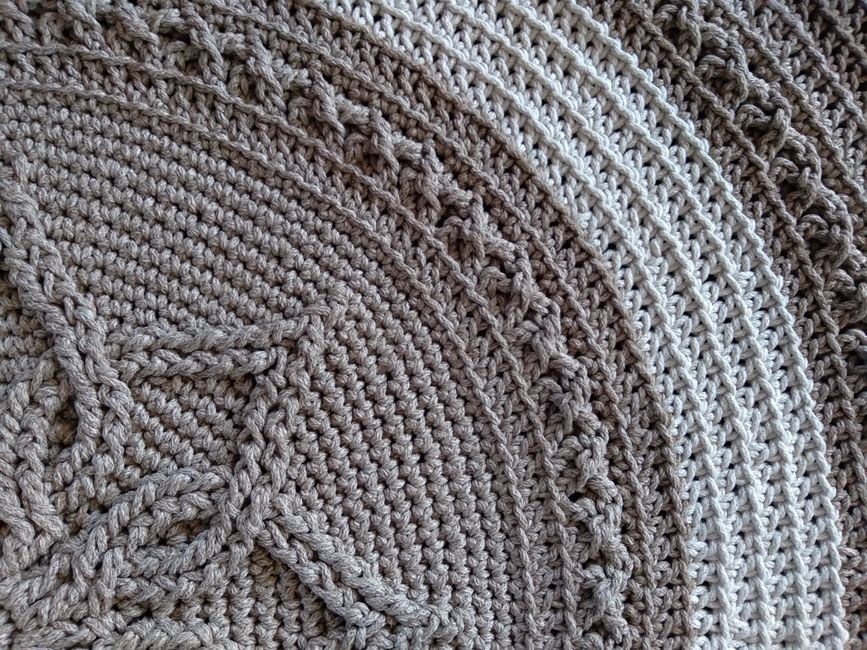
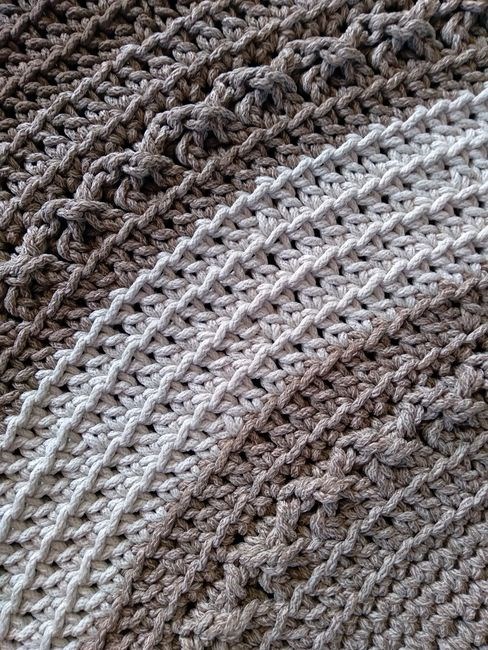
Free PDF printable crochet patterns for blankets and throws give crafters a quick, accessible way to create cozy accessories. A popular example is the super‑chunky textured stripe blanket, available as a downloadable PDF. The design uses basic stitches—single crochet, double crochet, and a simple repeat—to create a modern raised striped look that feels both cozy and contemporary. Yarn choices range from bulky to super‑bulky weights, allowing you to adjust thickness to your preference. The pattern’s repeat is easy to follow, making it ideal for those who want a quick project that still looks polished.
Another favorite is the double‑thick potholder pattern, which shares the same stitch logic but is scaled for a functional kitchen accessory. The potholder’s repeat is short, so you can finish it in a single day. Many pattern libraries pair these designs with matching dishcloths and kitchen towels, creating a cohesive set that can be printed and assembled from the same PDF.
For a softer touch, the super‑soft shell baby blanket pattern offers a gentle pink and white palette with a faux‑fur border. The border is crafted from a simple stitch repeat that gives a plush feel without the need for complicated techniques; The pattern’s layout is straightforward: a flat square that can be joined into a larger rectangle or left as a single piece. Because the stitches are basic, the blanket can be made in a variety of yarns, from cotton to acrylic blends.
These patterns are often included in larger collections, such as the 70 free easy crochet patterns for beginners. The collections provide a range of projects, from blankets to hats, all in PDF format. By downloading the blanket patterns, you can experiment with different yarn textures, stitch counts, and color schemes while keeping the instructions clear and concise. The PDFs are printable, so you can print multiple copies for gifting or for use in a craft group. Whether you’re looking for a quick throw to brighten a living room or a thoughtful gift for a new parent, the free PDF blanket patterns give you the flexibility to create something unique with minimal effort. These designs are shared under Creative Commons licenses, ensuring legal use for personal projects. Feel free to remix stitch counts for a custom fit.
Dishcloths and Kitchen Towels
Free PDF printable crochet patterns for dishcloths and kitchen towels offer a practical way to add handmade flair to your kitchen. Many pattern libraries pair a chunky striped blanket design with matching dishcloths and towels, allowing you to create a cohesive set from a single PDF download. The dishcloths use the same basic stitch repeat—single crochet, double crochet, and a simple repeat—to produce a durable, absorbent square that’s easy to wash and quick to finish. Because the stitches are common, you can choose from a wide range of yarns, from cotton blends for everyday use to acrylic for a softer feel. The pattern’s layout is straightforward: a flat square that can be joined into a longer towel or left as a compact dishcloth. Some collections, such as the 70 free easy crochet patterns for beginners, include a variety of kitchen‑related projects, giving you the option to mix and match colors or stitch counts. The PDFs are printable, so you can print multiple copies for gifting or for a craft group. These designs are shared under Creative Commons licenses, ensuring legal use for personal projects. Feel free to remix stitch counts for a custom fit or add a fringe for a decorative touch. Whether you’re looking for a quick, functional accessory or a thoughtful handmade gift, the free PDF dishcloth and kitchen towel patterns give you the flexibility to create something unique with minimal effort. Try adding a contrasting border or a simple fringe to personalize each piece further bright!!.
Where to Find Free PDF Crochet Patterns
Explore free PDF crochet patterns on libraries like Ravelry and Reddit’s r/crochet, where creators share downloadable PDFs. Follow crochet influencers on Instagram, TikTok; post links to free patterns in bios or stories. Check blogs for PDF drops. and samples now
Online Pattern Libraries
Online pattern libraries are treasure troves for crocheters seeking free PDF printable designs. Sites such as Ravelry host thousands of community‑shared patterns, many tagged as “free PDF” and ready for instant download. The Free Crochet Patterns PDF Big List on A More Crafty Life offers a curated selection of blankets, dishcloths, and hats, each accompanied by clear stitch counts and printable PDFs. The Jo to the World Creations, where the creator posts both free and purchasable PDF downloads; subscribers receive exclusive patterns and cheat sheets. For those who prefer a more curated approach, Patreon hosts creators who share free PDF patterns in exchange for a small pledge, ensuring a steady stream of new designs. Many libraries also feature seasonal collections, such as holiday‑themed blankets or summer dishcloths, all available in PDF format for easy printing. By exploring these online repositories, crocheters can access a wide variety of styles—from chunky textured stripes to soft faux‑fur baby blankets—without spending a dime.
Many libraries also offer downloadable stitch‑count sheets and progress trackers, which can be printed and clipped onto your workspace. By using the search filters, you can quickly locate patterns that match your skill level, yarn weight, or desired project size. Some sites even allow you to preview the pattern layout before downloading, ensuring the PDF meets your expectations.
Social Media and Influencer Channels
In the digital age, many crochet influencers share free PDF patterns through platforms like Instagram, TikTok, and Pinterest. A popular example is the “Free Crochet Patterns PDF Big List” posted on @amorecraftylife, where followers can download printable blankets, dishcloths, and hats directly from the bio link; Influencers often host giveaways, offering a set of PDF patterns for free in exchange for a quick follow or comment. For instance, @jo_to_the_world_creations runs a monthly email list that delivers three free printable patterns and ten cheat sheets straight to subscribers’ inboxes.
Many creators use Instagram Stories and TikTok reels to showcase stitch‑count breakdowns, letting followers preview patterns before downloading the PDF. These videos often include captions that highlight key adjustments, such as increasing stitch counts for larger projects, for beginners. Following the channel keeps hobbyists updated on new releases and seasonal variations, for beginners and advanced and now.
Many creators encourage followers to post finished pieces with a dedicated hashtag, fostering a supportive network where tips and tweaks are shared. Some creators host live Q&A sessions, walking through patterns step‑by‑step and answering questions in real time. This interactive environment boosts novices’ confidence and veterans’ technique, making free PDF patterns more accessible and enjoyable.
Legal and Ethical Considerations
Free PDF patterns often come with Creative Commons or public domain licenses. Respect the creator’s terms: share only for personal use, credit the author, and avoid commercial resale. Always verify the license before distributing or modifying the design.!!
Copyright and Licensing Issues
When downloading free PDF crochet patterns, creators often attach specific licenses—Creative Commons, public domain, or custom terms. The most common are CC‑BY, allowing reuse with attribution, and CC‑BY‑SA, requiring share‑alike. Some sites explicitly state “free for personal use only,” which prohibits commercial resale or large‑scale distribution. Always read the fine print; a pattern marked “free” may still restrict modifications or require credit. If the license is unclear, contact the author for clarification. Respecting these rules protects the creator’s rights and keeps the community thriving. Misusing a pattern can lead to copyright infringement claims, even if the file was shared online. Creators often release patterns under Creative Commons licenses like CC‑BY, allowing anyone to adapt and redistribute the work. Some designers use CC‑BY‑SA, requiring derivative works to carry the same license and ensuring community shares freely. If a pattern is labeled “free for personal use only,” it means you may use it to make items, but you cannot sell them or use the design in a product. By respecting these legal boundaries, you support the craft’s ecosystem and help maintain an environment for crocheters. Many authors also request that you credit them when sharing finished pieces online, which helps keep the creative community vibrant and encourages more free pattern sharing!
Fair Use for Personal Projects
When you download a free PDF crochet pattern, the most common intent is to create a single item for yourself or a close friend. The doctrine of fair use allows limited copying for personal, non‑commercial purposes. The four factors—purpose, nature, amount, and effect—tend to favor personal use: you are not selling the item, you are not distributing the pattern, you are using the entire design, and the market impact is negligible. However, the line between a personal project and a commercial one can blur. If you stitch a blanket and then gift it, that is still personal. If you stitch a blanket and then sell it at a craft fair, that crosses into commercial territory and requires a license or permission. Even large‑scale hobby production—making dozens of blankets for a charity fundraiser—may need clearance. Many authors often release patterns under Creative Commons licenses like CC‑BY, allowing anyone to adapt and redistribute the work. If you wish to use a pattern commercially, contact the creator for a commercial license or look for patterns released under a Creative Commons BY‑SA that allows resale with attribution. Respecting these boundaries protects both your creative freedom and the rights of pattern designers.
When using free patterns, keep a record of the source and any license terms. If you modify a design, credit the author and consider sharing your derivative under the same license. This practice supports the community and the sharing economy now
Tips for Printing and Using Patterns
Choose high‑quality paper to preserve stitch detail. Print at 100‑120 % scale to match your hook size, and use the PDF’s built‑in grid for accuracy. Keep a ruler handy to double‑check dimensions, and consider laminating large patterns for repeated use.
Choosing the Right Paper and Print Settings
When printing free PDF crochet patterns, the paper type and printer settings can dramatically affect the final result. A smooth, heavyweight cardstock (around 80 lb or 120 lb) provides a sturdy base that resists curling and keeps stitch lines crisp. For smaller patterns, a lighter weight (70 lb) paper works well, but for large blankets or throws, the extra thickness helps prevent warping during crocheting. If you prefer a more tactile feel, a matte finish reduces glare and makes the pattern easier to read under bright lights. Glossy paper can be used for vibrant color patterns, but be aware that it may cause the ink to bleed slightly, obscuring fine stitch counts.
Printer settings are equally important. Set the resolution to 300 dpi to ensure that every stitch count and note is sharp. Use the “high quality” or “best” print mode rather than draft to avoid smudging. When scaling, keep the pattern at 100 % unless you need to adjust for a different hook size; many designers provide a scaling guide in the PDF’s notes. If you must enlarge, use the “fit to page” option and double‑check the dimensions with a ruler before crocheting. Additionally, consider printing on a slightly heavier paper if you plan to laminate the pattern for durability; this helps prevent curling and makes the pattern easier to handle during long sessions. Always keep a backup copy saved digitally to avoid losing the design if the paper tears. ensures longevity.
When you download a free PDF crochet pattern, the stitch count is tailored to a specific hook size and yarn weight. To adapt it, determine your gauge by crocheting a 4 × 4 inch swatch. Measure stitches per inch and compare to the pattern’s gauge. If your gauge is tighter, reduce the stitch count; if looser, increase it. A simple rule is to adjust by the percentage difference between your gauge and the pattern’s gauge. For example, if your gauge is 10 % tighter, reduce the total stitches by 10 %. Use a calculator or spreadsheet to apply the adjustment to every row or repeat. This method ensures consistency across yarns. Works!!
Scaling Stitch Counts and Adjusting Patterns
When scaling, keep the overall shape in mind. If you scale the stitch count, double‑check the final width and length by measuring the finished piece. For patterns with motifs or blocks, you may need to adjust the number of repeats rather than the stitch count per repeat; Many designers provide a “scale” section in the PDF, listing recommended hook sizes and yarn weights for different sizes. If the PDF lacks this, use the gauge method described above. Check the margin notes for size guidance. Conversion chart!
Tips for Printing and Using Patterns
After adjusting, print the updated pattern on a fresh sheet. Keep a copy of the original PDF for reference, and label the new version clearly to avoid confusion. With careful gauge measurement and precise scaling, you can transform any free PDF crochet pattern into a custom project that fits your style and materials Feel free to tweak colors or stitch patterns your taste