In a world where protocol governs every encounter, this guide demystifies the art of approaching royalty. It balances respect with subtlety, offering commoners practical steps to navigate courtly expectations while preserving dignity.
Follow protocol, poise, let humility guide steps now.
The Stakes
When a commoner considers the delicate dance of intimacy with a sovereign, the stakes rise far beyond personal desire. The sovereign’s gaze carries the weight of a nation, and any misstep can trigger a cascade of political fallout. A single misinterpreted gesture may be seized by rival courts, used to undermine alliances, or spark a diplomatic crisis that threatens trade routes and military commitments. In the eyes of the monarch, the act is not merely private; it becomes a symbol of loyalty, obedience, and the very fabric of the realm’s social hierarchy. The legal framework surrounding royal conduct is notoriously strict, with statutes that can impose fines, imprisonment, or even exile for those who cross the line. Moreover, the public’s perception is a double‑edged sword. While some may view the union as a bold statement of equality, others may condemn it as a breach of decorum, leading to social ostracism, loss of patronage, and the erosion of one’s standing within the court’s intricate network of favors. The personal ramifications are equally profound. A commoner’s reputation, once tarnished, is difficult to restore; the psychological toll of living under constant scrutiny can erode confidence and sense of self. On the other hand, success in this perilous endeavor can elevate a person’s status, granting access to patronage, political influence, and the rare privilege of shaping policy from behind the throne. Thus, the decision to pursue such an intimate connection with royalty is a gamble that balances ambition against the potential for ruin, demanding careful calculation, unwavering resolve, and a deep understanding of the complex web of power that governs the realm. Only those who truly grasp the gravity of this undertaking can hope to navigate the treacherous waters without losing their footing. Yet, the allure of such a union can ignite a ripple that reshapes destinies, forging unexpected alliances and redefining the very notion of power. The cost is steep.And risk.
The Historical Context
Throughout centuries, the idea of a commoner engaging in an intimate liaison with a monarch has been both a whispered rumor and a documented reality in many cultures. In medieval Europe, the concept of “morganatic marriage” allowed nobles to marry below their rank, but commoners were largely excluded. Yet, notable exceptions exist: the 17th‑century French king Louis XIV’s liaison with Madame de Montespan, who rose from obscurity to become a powerful influence in court. In the Ottoman Empire, sultans often took concubines from slave markets, yet occasionally a commoner could ascend to the harem’s upper echelons through talent or beauty. In East Asia, the Chinese imperial court had hierarchies, yet the famed concubine Wang Zhengjun, originally a servant, became empress dowager and wielded significant political power. These anecdotes illustrate that while societal structures were rigid, the personal desires of rulers could bend the rules. In the 19th century, the British monarchy’s protocol made any deviation a scandal, yet the Prince of Wales’s relationship with the commoner actress Lillie Langtry caused a media frenzy that forced the royal household to reconsider its public image. In modern times, the line between public duty and private life remains blurred, with royal families navigating media scrutiny, public expectations, and personal autonomy. Understanding this historical tapestry is essential for any commoner who contemplates approaching a sovereign, as the past informs present protocols, legal frameworks, and societal attitudes toward unprecedented unions. The legacy of these encounters continues to shape contemporary discussions about power, privilege, and the evolving role of monarchy in society.

Understanding Royal Etiquette
Royal etiquette demands respect, punctuality, and discreet conduct. Address titles correctly, observe formal greetings, maintain proper distance, and avoid overt displays of affection. Adhering to these norms ensures dignity and preserves the monarch’s dignity.
The Royal Code
Royal protocol is a living tapestry woven from centuries of tradition, expectation, and subtle power dynamics. The Royal Code is not a set of rigid rules but a fluid framework that guides every interaction, ensuring the sovereign’s dignity remains intact while allowing courtiers to navigate the complex social landscape with grace. At its core, the code demands respect for hierarchy, precision in language, and an unwavering commitment to decorum. Addressing a monarch with the proper title—His/Her Majesty, Your Majesty, or the more formal styles appropriate to the realm—sets the tone for the encounter. The use of honorifics and the avoidance of colloquial speech signal an awareness of the sanctity of the office. Timing is paramount: the monarch’s schedule is a living document, and any deviation can be perceived as disrespect. A commoner must seek permission through the proper channels, often via a courtier or a formal petition, before approaching the sovereign. The code also prescribes the manner of greeting: a slight bow, a respectful nod, or a hand over the heart, depending on cultural norms. Physical proximity is tightly regulated; a commoner is expected to maintain a respectful distance, never encroaching upon personal space without explicit invitation. When speaking, one must employ measured, concise language, avoiding topics that could be deemed frivolous or politically sensitive. The monarch’s time is precious, and any conversation must be purposeful and respectful. The Royal Code further dictates how to respond to invitations or favors. A commoner must accept or decline with humility, never demanding or appearing to bargain. Even in moments of apparent intimacy—such as a shared meal or a private audience—protocol remains in force. The monarch’s presence is a reminder of the weight of responsibility, and every gesture, word, and movement must reflect the gravity of the role. In sum, the Royal Code is a living document that balances reverence with practicality, allowing commoners to engage with royalty while preserving the sanctity of the crown.
Do’s and Don’ts

Do: Approach with humility, use proper titles, maintain respectful distance, listen attentively, follow the monarch’s lead, dress appropriately, keep conversation concise, express gratitude, and observe ceremonial gestures. Do not: Interrupt, use slang, overstep boundaries, display impatience, bring unapproved gifts, speak of politics without invitation, show disrespect, or appear boastful. Keep a calm demeanor, avoid confrontational eye contact, and never assume familiarity. When the monarch signals a pause, reflect rather than fill silence. If invited to a private audience, accept with grace and follow instructions. Remember the monarch’s time is limited; do not linger after the conversation ends. Balance courtesy with sincerity to ensure respect for both parties.
Additionally, be mindful of the monarch’s personal preferences; some favor silence, others enjoy light banter. If the sovereign gestures to speak privately, respond promptly and politely, but do not dominate the conversation. Remember that any physical contact, such as a handshake or a bow, must be performed with reverence. After the encounter, send a courteous note expressing gratitude for the time and consideration, reinforcing the respect shown during the meeting. This approach ensures a lasting positive impression and maintains the dignity of both parties.
Finally, reflect on the encounter afterward, noting what went well and what could improve. Use this insight to refine future interactions, ensuring each meeting strengthens respect and upholds the traditions that bind the realm together.
In sum, a respectful, well‑planned approach guarantees a dignified encounter, leaving a lasting positive legacy. Thanks

Preparation Phase
Prepare meticulously: secure formal invitation, study royal customs, rehearse respectful greetings, choose modest attire, practice concise speech, arrange discreet meeting spot, confirm timing, and mentally rehearse humility and patience. Ensure all protocols are followed to honor tradition. Respectfully.!!

Dressing the Part
Attire is the first silent declaration of respect. Begin with a clean, modest garment that reflects the occasion’s gravity: a tailored suit for men or a modest dress for women, in muted tones that neither compete with nor detract from the royal’s regalia. Fabric should be breathable yet dignified—silk or fine wool—ensuring comfort without ostentation. Shoes must be polished, closed‑toed, and appropriate for formal settings; avoid bright colors or excessive adornment. Accessories should be minimal: a simple watch, a discreet cufflink set, or a modest brooch that does not draw attention. Grooming is equally critical; hair must be neat, facial hair trimmed, and any fragrance subtle enough to avoid overpowering the senses. A subtle, respectful scent can signal refinement without intrusion. Finally, carry no items that could be perceived as a threat or a distraction—no weapons, no large bags, no conspicuous jewelry. The goal is to present oneself as a humble, well‑prepared individual, ready to honor the royal’s presence without imposing upon it. Remember that the essence of this endeavor lies not in the grandeur of the act but in the sincerity of intent; each gesture, each respectful nod, each mindful pause should echo the humility expected of a commoner, reinforcing the delicate balance between reverence and personal agency. Thus, approach with calm confidence, letting the royal’s presence guide your steps, let humility shine through interaction.!
The Setting
Choosing the right environment is paramount. A royal’s presence is often accompanied by a meticulously curated backdrop—formal halls, stately gardens, or private chambers—each designed to reinforce hierarchy and decorum. As a commoner, you must assess the venue’s tone: the lighting, the décor, and the surrounding populace. The setting’s acoustics also matter; a quiet, echo‑free space allows for clear communication, whereas a noisy backdrop can undermine the dignity of the encounter. Position yourself near the periphery, respecting the spatial hierarchy that places the sovereign at the center. Avoid obstructing pathways or drawing undue attention to yourself. The presence of aides, guards, or other dignitaries should guide your approach; observe their movements, and follow their lead to maintain proper protocol. If the setting is a garden, choose a shaded corner where the breeze is gentle, ensuring comfort for both parties. In a formal hall, align your posture with the architectural lines, allowing the grandeur of the space to amplify your respectful demeanor. Finally, consider the symbolic elements of the setting—family crests, national banners, or historical artifacts—and incorporate them into your awareness. A mindful appreciation of the environment not only demonstrates respect but also subtly signals your readiness to engage within the established framework of royal etiquette. The setting shapes the interaction, reinforcing reverence and agency!
Timing is Everything
In the realm of royal encounters, timing is the silent architect of success. A commoner’s approach must sync with the sovereign’s schedule and the ebb of courtly duties. Begin by studying the royal calendar: public events, audiences, and gatherings each carry windows of opportunity. Avoid the peak of formal events and target moments of transition—between speeches or during a brief recess. These intervals offer a quiet, unguarded moment for a respectful approach. Timing also hinges on subtle cues, ensuring respect discretion today!!

The Actual Encounter
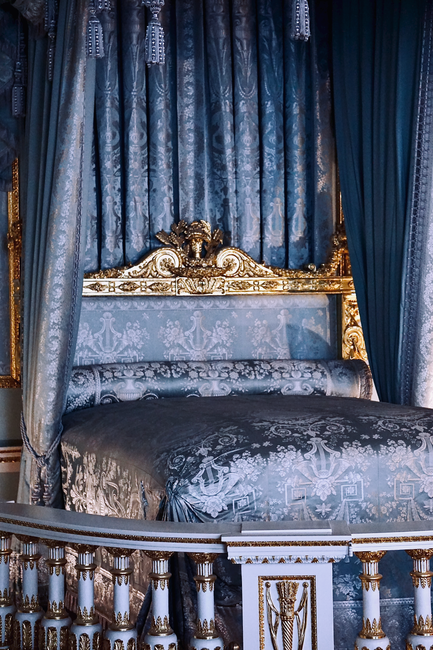
The moment arrives, the commoner must maintain composure, offering a respectful bow before speaking. Words should be concise, acknowledging the royal’s stature. A gentle, courteous tone invites openness, while silence respects boundaries. The encounter ends with a discreet farewell, preserving dignity.

Making the Approach
When the appointed hour arrives, the commoner must first assess the setting, noting any guards or aides that may obstruct a direct line of sight. A subtle, respectful bow should precede any verbal greeting, signaling humility and deference. The approach should be measured: step forward with confidence yet restraint, maintaining an upright posture that conveys respect without arrogance. Timing is critical; the commoner should wait until the royal is not engaged in conversation or ceremony, ensuring that the encounter is not perceived as an intrusion. The distance between the two should be neither too close, which could be seen as presumptuous, nor too far, which might suggest indifference. A brief, courteous phrase such as “Your Grace, I am honored to meet you” can open the dialogue without overstepping boundaries. Throughout the approach, the commoner should keep eye contact at a respectful level, avoid overt gestures, and remain mindful of the royal’s body language, adjusting pace accordingly. By blending politeness with confidence, the commoner creates a foundation of trust that can carry the interaction forward.

The commoner should also be prepared for any unexpected gestures, such as a sudden shift in the royal’s posture or a discreet signal from a nearby aide. By reading these subtle cues, the commoner can adjust pace, maintain a respectful distance, and ensure the encounter remains dignified. It shows deep respect. It signals genuine respect. and trust, always for all.
The Conversation
Begin with a courteous greeting: “Your Grace, it is an honor to speak with you.” Keep the tone calm, measured, and respectful. Avoid boasting; instead, express genuine gratitude and humility. Keep the dialogue concise, steering clear of controversial or politically sensitive topics. Focus on subjects that align with the royal’s priorities—such as the well‑being of the realm, the prosperity of local communities, or the fulfillment of recent decrees—showing loyalty and attentiveness.
Active listening is essential. Maintain eye contact, nod, and refrain from interrupting. When asked, answer with clarity and brevity, ensuring facts are accurate and free of exaggeration. If praised, respond simply: “I am grateful for your guidance.” Be prepared to decline any request that would compromise personal integrity or public duty. Throughout, remain mindful of the royal’s body language, adjusting speech pace to match comfort. This respectful dialogue builds trust and lays a foundation for future interactions.
Finally, after the exchange, the commoner should express gratitude once more, offering a respectful bow and a brief farewell such as “May your reign continue to prosper.” This final gesture reinforces the respectful tone and leaves a lasting impression of humility and respect. By adhering to these guidelines, the commoner demonstrates a keen awareness of royal protocol, ensuring that the conversation remains dignified and that both parties feel respected and valued. A respectful tone endures.
In a world where protocol governs every encounter, this guide demystifies the art of approaching royalty. It balances respect with subtlety, offering commoners practical steps to navigate courtly expectations while preserving dignity.
Begin with a courteous greeting: “Your Grace, it is an honor to speak with you.” Keep the tone calm, measured, and respectful. Avoid boasting; instead, express genuine gratitude and humility. Keep the dialogue concise, steering clear of controversial or politically sensitive topics. Focus on subjects that align with the royal’s priorities—such as the well‑being of the realm, the prosperity of local communities, or the fulfillment of recent decrees—showing loyalty and attentiveness.
Active listening is essential. Maintain eye contact, nod, and refrain from interrupting. When asked, answer with clarity and brevity, ensuring facts are accurate and free of exaggeration. If praised, respond simply: “I am grateful for your guidance.” Be prepared to decline any request that would compromise personal integrity or public duty. Throughout, remain mindful of the royal’s body language, adjusting speech pace to match comfort. This respectful dialogue builds trust and lays a foundation for future interactions.
Finally, after the exchange, express gratitude once more, offering a respectful bow and a brief farewell such as “May your reign continue to prosper.” This final gesture reinforces the respectful tone and leaves a lasting impression of humility and respect. By adhering to these guidelines, the commoner demonstrates a keen awareness of royal protocol, ensuring that the conversation remains dignified and that both parties feel respected and valued. A respectful tone endures.
The Physical Encounter
When the moment arrives, the commoner must maintain composure, ensuring every gesture aligns with established etiquette. A respectful bow or slight nod acknowledges the royal’s presence before any physical contact. If a handshake is customary, the grip should be firm yet gentle, avoiding excessive force that could be perceived as disrespect.
Should the royal invite closer proximity, the commoner should respond with a measured step forward, keeping a respectful distance. The body language should convey reverence: shoulders relaxed, gaze directed politely, and movements deliberate. Any spontaneous action—such as a sudden embrace or a forward lean—must be pre‑approved by the royal’s staff or protocol officer to avoid misinterpretation.
In the case of a ceremonial embrace, the commoner should follow the royal’s lead, mirroring the posture and timing. The embrace should be brief, lasting no more than a few seconds, and should end with a courteous nod or a subtle gesture of gratitude. Throughout, the commoner must avoid any display that could be construed as overfamiliarity or impropriety, preserving the dignity of both parties.
After the encounter, the commoner should withdraw gracefully, allowing the royal to resume their duties. A final respectful bow or a simple, “Thank you, Your Grace,” concludes the interaction, reinforcing the mutual respect that underpins courtly conduct. The commoner ensures the encounter remains dignified, respectful!

Aftermath and Consequences
Public scrutiny follows, with media dissecting every gesture. The commoner may face praise or backlash, influencing future opportunities. Maintaining humility and transparency mitigates risk, ensuring legacy remains honorable. Public honorLegacy endures.TrueAll
The Public Reaction
When the news of a commoner’s intimate encounter with royalty spreads, the public’s response is a complex tapestry woven from curiosity, admiration, scandal, and cultural commentary. In societies steeped in tradition, many view the act as a breach of protocol, a challenge to the sanctity of the monarchy, a potential threat to the social order. Others, however, celebrate the boldness of the individual, seeing it as a symbolic leveling of hierarchies and a reminder that the crown is ultimately a human institution. Media coverage often amplifies both extremes, with sensational headlines and in‑depth analyses dissecting details and detail and from the venue to the exchange. Social media platforms become battlegrounds where hashtags trend, memes proliferate, and public opinion oscillates rapidly. Some commentators argue that the encounter undermines the dignity of the royal family, suggesting that it could erode public trust and destabilize the institution’s perceived legitimacy. Others counter that the monarchy’s relevance depends on its ability to evolve, and that such a personal moment could humanize the royal image, making it more relatable to ordinary citizens. Political observers note that the event may influence upcoming elections, as parties either rally around the monarchy’s traditional values or capitalize on the narrative of reform and accessibility. In the long term, the public reaction may settle into a nuanced perspective: a mixture of respect for the individual’s courage, caution regarding the implications for the monarchy, and a recognition that the institution must balance reverence with modernity. The ultimate consequence is a dialogue that forces society to confront its own values, the role of the crown, and the place of commoners within that framework.